

S16 Episode 8: Screen-Free Fun: Raising Connected, Confident Kids // Cody & Malia Westheimer
Hosted by Hillary Wilkinson
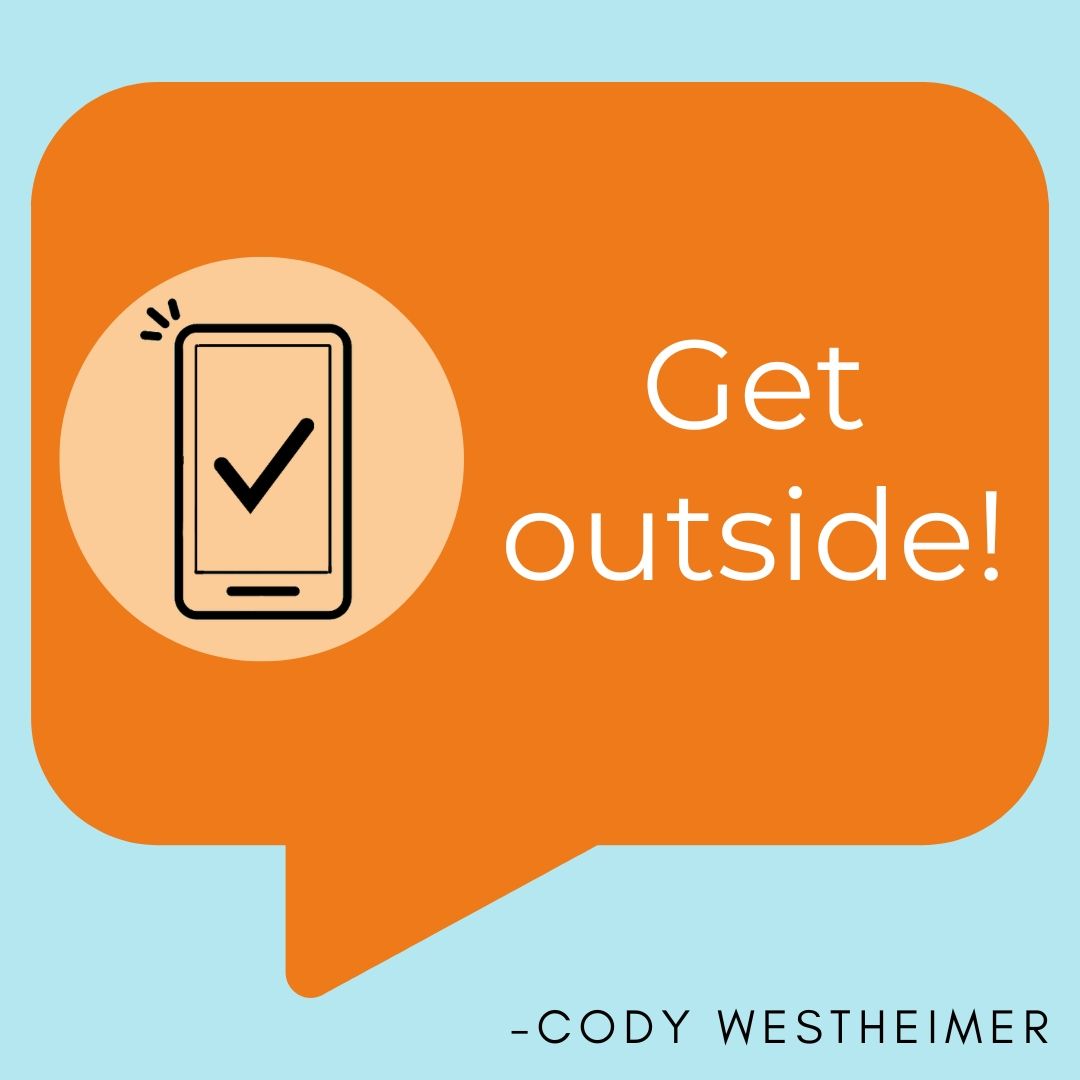
"Just be present, and try to model that."
-Cody Westheimer
Meet Cody and Malia Westheimer, the father-daughter duo behind SuperPod Kids! 💙
Looking for a fun way to dial down screen time and spark your child's imagination? SuperPod Kids is a delightful storytelling podcast for little listeners that blends exciting ocean adventures, fascinating orca facts, and gentle social-emotional lessons. We talk all about these things and more in this episode. Listen now!
Healthy Screen Habits Takeaway
Resources
Resources Mentioned:

Show Transcript
Hillary Wilkinson: (00:02)
My guests today are a dad and daughter duo who have worked together to create a really lovely new resource for parents looking to dial down screen time while turning up social-emotional learning, family connections, and they do it all with some really fun, real-life ocean facts. It's called Super Pod Kids and the pod, I love this playing with language thing, it refers to it both being a podcast as well as the characters within the storytelling podcast are a pod of orcas. I love it. Welcome to Healthy Screen Habits, Cody and Malia Westheimer.
Cody Westheimer: (00:46)
Thank you so much for having us.
Hillary Wilkinson: (00:49)
Cody, real quick, what gave you the idea to start super pod kids, and when did you know that you wanted Malia to join the project too?
Cody Westheimer: (01:04)
Actually, I've been obsessed with orcas since I was 14 years old. Um, I was a child of the Free Willy generation. And, um, that led me to Norway, um, about a year ago. I had always dreamt about being, um, seeing orcas in their natural wild environment. And, um, in Norway you could actually hop in the water with them if you're brave enough. Um, and it's, it's more the cold than the orcas themselves. It's, it was 38-degree water, but I'm snorkeling with wild orcas, and it was just one of the more amazing experiences of my life, um, something I'd always wanted to do. And I came home and, um, Malia and I have always kind of talked about orcas because it's been a lifelong obsession of mine. And it was actually her idea.
Cody Westheimer: (01:52)
Um, and her creation was, um, there was this one juvenile orca on, um, that I had on video that kept on coming up to me and kind of like circling around, like trying, just checking me out. And, um, Malia named that orca Kiko, and we kind of just started joking around making stories. Oh, go ahead.
Malia Westheimer: (02:10)
And, um, we got the name Kiko from, um, the orca that played Free Willie was named Keiko and, uh, we also had a dog named Keiko. And I kind of, kind of, I kind of wanted, uh, the, or the little orca's name to kind of sound similar to the other orca. So I called it Keiko.
Hillary Wilkinson: (02:35)
So it was homage to Keiko.
Cody Westheimer: (02:39)
Absolutely. And I, I get very confused on those two names now. So especially Mala. Yes.
Hillary Wilkinson: (03:15)
I love it because of the screen-free component, of course.
Cody Westheimer: (03:20)
Absolutely. We do as well.
Hillary Wilkinson: (03:22)
Yeah. Malia, how old are you?
Malia Westheimer: (03:26)
I am 10 years old.
Hillary Wilkinson: (03:28)
10. Excellent. So is that fifth grade? Very good. And what is your role in creating the Super Pod Kid stories?
Malia Westheimer: (03:42)
Well, like, uh, is it like the voice that I play, like -
Hillary Wilkinson: (03:47)
Or yeah, like do you, do you share your ideas with your dad? Do you do any voices?
Malia Westheimer: (03:55)
Oh, yes. I, uh, yeah, I share i- ideas. I, um, uh, the voices that I am are, um, Kiko, the young Orca, and a friend. Kiko's friend, um, comes in a little, a later episode, and that friend is named Echo.
Hillary Wilkinson: (04:15)
Okay. Is it fun?
Malia Westheimer: (04:18)
Very fun.
Hillary Wilkinson: (04:20)
Oh, good. Very good. So because this is Healthy Screen Habits, I, let's chat just a quick minute about your experiences with screens and friends. If you had to put a percentage, like, what percentage of friends do you, would you say have phones at this point?
Malia Westheimer: (04:42)
Well, um, s - one of my classmates had, like, kind of, like, a phone, like, when, like, in, like, third grade - uh-huh. At that, uh, she got for her birthday, and now I think she still has that phone. And, um, one of my friends has two phones and my cousin has a phone. Mm-hmm. Uh, yeah. And, uh, yeah, like, I don't, like, know how much screen time they have, but - Sure. I used to, like, I used to have, like, watch TV, like, every second, um, like, uh, like, not every second, but v- very much, like, so much, like, you couldn't even imagine. But now, like, it's gotten less. Like, I realized that, like, I like to do other things, uh, in my life. I like to play outside, create things, and I mean, sometimes I watch a little TV and, um, do, like, play some games on the iPad, but it's not that much anymore.
Hillary Wilkinson: (06:17)
Okay. What do you think made that change for you?
Malia Westheimer: (06:20)
I mean, I think maybe I got just bored of, uh, watching so much, and I just realized that there's other things to do in life and just watch TV and, like, I don't really know what just happens. Well, that's my guess.
Hillary Wilkinson: (06:37)
Yeah. Yeah. Yeah. With the friends that you say you've, um, you know who have phones or your cousin who has a phone, have you seen any difference, like, in the way that they are before or after getting them? Well,
Malia Westheimer: (06:53)
Yeah. Like, I've noticed kind of, like, like, a change. She's, like, kind of, like, more on it, like, than she could just be doing other things. Like she could, like, especially when I'm there, I sometimes just see her just, like, go play games and, like, when she could be just, like, talking to me or doing something else. I've kind of noticed a change that she's kind of just, like, glued to the screen. And I don't, I, I don't know how it is for my friends since there's obviously no, not no phones or, like, Apple watches at school, but, but I feel like, yeah, I feel like I've noticed a change in them.
Hillary Wilkinson: (07:55)
Malia, why do you think people should listen to Super Pod Kids?
Malia Westheimer: (08:19)
Well, it's a great thing to just listen to and not be, like, on a screen, like, like, you kind, like you said. And it's like, I think they should listen to it because, because it's kind of, like, it teaches lessons, it teaches, like, one episode is to calm herself and, like, yeah, and it just, yeah, it just teaches lessons I think they should listen to it because if it was an animated series, it would probably just say the same things that, that it was in the podcast, except there's a screen. But I like podcasts because you don't like to be on a s - like, you don't be on a screen, but I, I, I barely ever listen to podcasts except the one that we have. But, but, like, I like podcasts.
Hillary Wilkinson: (09:21)
Yeah. Yeah. Yeah. And one of the things that I like about Super Pod Kids is it's super relaxing to listen to. Like, Cody, your voice is very meditative and very... It's a, it's a - Thank you. Did you, did you make it that way on purpose?
Cody Westheimer: (09:40)
Ironically, I'm a very high-energy person, and I don't, I think most people close to me would be shocked that someone would describe me as very calming and meditative. It's a resource that I have to draw on within myself, like, to be, you know, practice mindfulness and be calm because I am very high energy. My mind kind of runs a mile a minute. So when I'm in character, um, as a narrator or as, you know, or even as Malia's dad in real life, I, I'm able to kind of resource that control and relaxed sense.
Hillary Wilkinson: (10:24)
Mm, very nice. So we have to take a quick break now, but when we come back, we're gonna chat a little bit more about the process that went into creating Super Pod Kids.
—--
Ad break
—-----
Hillary Wilkinson: (16:26)
I'm speaking with the creators of SuperPod Kids, a podcast for kids ages two to eight that offers opportunities for social-emotional learning, regulation, and connecting with nature. So this is kind of funny, Cody. You have a background in film and TV, yet this is a podcast. And I feel like that's gotta be intentional. And can you tell us, like, why a storytelling podcast?
Cody Westheimer: (17:07)
Absolutely. So I think... I'm a music person first. Um, I, I came into the industry as someone who wanted to add emotion to, um, to storytelling, um, in the most vague way. Um, and the way to do that is, of course, in film and TV mostly. And so that's what I built my career, um, doing for the last 20-plus years. So when, when, when I, when this kind of came about, um, with Malia and I just...
Cody Westheimer: (20:02)
We've always been telling stories about nature. Like, a couple years ago, we saw a bobcat nearby, and we named it Spicy, and we would just tell stories about Spicy, like, as, you know, getting ready for bed, um, and stuff like that. We just make up stories kind of on the fly. So that's always kind of been something that our family has done. And when this happened with, uh, who would be named Kiko, the Orca, um, I kind of realized that, like, wow, this could be a really cool project for Meli - Malia and I to work on. Um, it became a bigger family project with my wife joining in as a voice and my mom joining in as a voice. So kind of like, like a, an orca version of our, of our family basically. Um, and as this developed, it just became more and more clear that this is, like, something we should absolutely do,
Hillary Wilkinson: (21:50)
How can the stories that you create help kids talk about emotions without making them feel like they're being taught a lesson?
Cody Westheimer: (22:02)
Absolutely. That's a great question. And that's something that, um, I've been really conscious of as a parent, um, especially earlier on with Malia. Um, I kind of... I, I've read a few books on, like, the mindful parenting movement. Um, I listen to a lot of podcasts on parenting and, um, in that sort of space. And, um, I think I try to approach things, um, in discussions with Malia with a really light touch. Um, and I try to be really aware of when it's too much, and she starts to space out. Mm-hmm. And I've noticed with her that, um, it's really helpful to have, um, like a different, a different angle on it. It's not something she did, but what if, if someone else did something like this, what would you think of it? Mm-hmm. Um, and this is a practice that, um, I'm well aware of in mindfulness.
Cody Westheimer: (22:57)
It's like, um, we wouldn't, we would never treat a friend like we treat ourselves. Like, like, my mindfulness pra- practice is mostly based on a kindness towards myself. And so bringing that into parenting, um, has been something I've been doing for a number of years. And so we kind of just basically translated that into bringing that into what little Ke - Kiko, I say, almost said Kiko. Um, um, what, what little, you know, little orca Kiko goes through.
Cody Westheimer: (23:53)
And, um, one of the episodes is real, is, is... It just kinda cracks me up to listen to because it involves, like, Kiko having pretty much, like, a meltdown. Mm. Um, and ending up, like, ends up, like, pushing grandma or, like, swimming into grandma. Um, and it's just, like, hearing Malia's, like, miming sounds, like, ah, and frustration sounds, they, they're just so familiar to me in reality, um, that the hope is... And, and she's even aware of, like, "Oh yeah, this is totally me, but it's easier for me to act like, um, an orca, like, in, in demonstrating this." And so, it becomes just a really useful tool, and it's... Since it is audio only, especially, it's very imaginant, i- imaginative. Mm-hmm. Um, and so, it's, it's a neat little way into kind of getting into the young mind about, um, kind of growth opportunities and - uh-huh.
Cody Westheimer: (24:47)
And so forth. And so we've kind of been, tried to be clever. At the same time, we don't want every episode to feel overly preachy- preachy. Lessony. Yeah. And so it's just, like, they're kind of fun stories that have a few ocean facts b- baked in and a few social-emotional learning, you know, lessons baked in.
Hillary Wilkinson: (25:08)
One thing that I really like, though. Um, you talk about the ocean facts. I really like that part. Thank you. And yeah. So you have this, like, um, you know, the, the kind of setup for the series is you've got this adorable young Kiko who's the youngest orca - and it's, it's told with this combination of, like, you know, despite what you say, it comes across as, like, calm, quietness. So it is funny to, to, to meet the, uh, the offline Cody. Yes,
Cody Westheimer: (25:43)
Right.
Hillary Wilkinson: (25:43)
It's a very different voice, but - Do you want me to... I, I could,
Cody Westheimer: (25:46)
I could try and resource the narrator.
Hillary Wilkinson: (25:48)
There you go.
Cody Westheimer: (25:50)
I could, I could flip a switch. There you go. Although it started to go back already. Yes.
Hillary Wilkinson: (25:56)
So, but it's this calm, quietness, and it also incorporates this sort of, like, nice narrative of learning and guidance of elders. And so, knowing that you know lots about orcas, I love how you talk about how the grandma orca, like, knows where to go fishing, uh, does all this stuff. Yeah. Can you spend a, a little bit talking about that?
Cody Westheimer: (26:24)
Sure. I am, I will, I will qualify this as... I am not a marine biologist or orca scientist. However, I am obsessed in this. So I, I do have factoids, but I am not a researcher myself. Um, and so I hope I get this mostly right. Um, on the off chance, uh, one of the, I don't, dozens of orca scientists around the world are listening. Um, maybe hundreds. Um, so, uh, yeah, uh, it's very much a matriarchal society. Um, orcas are a fascinating creature, and it's, it's been, I think, fairly recently exposed that they're one of the few other animals that actually go through menopause. Mm-hmm. Um, which is a fascinating thing because Biology is such as, like, once an animal is out of reproductive age, it's not, no longer useful. Um, and so the fact that orcas are studied like that, it, it shows, it speaks to the matriarchal element of that a- absolutely.
Cody Westheimer: (27:21)
The, the grandma orca is still very much a leader in the sense of, um, generational information and, um, communication and habits and so forth. Yeah. So I, I think that's amazing. Um, and, you know, also just really good for 2026, right? Like, yeah. Or where we wanna be in 2026, I should say. Um, so I, I, I love that. You know, we were also obsessed as a family with elephants, which are another m- matriarchal, um, society. That's my, my wife's favorite animal, is the elephant. And, um, so, um, yeah, I think that we're, we're pretty light touch as far as how we engage that with super pod. Um, uh, there is a little cognitive dissonance there for me as a dad. Dads h- have a stereotype that some dads are trying to kind of say, "Well, that's not us over here. We're different." Um, and I like to think that I'm one of those. Um, I, I always call myself a part-time, full-time dad, because I, I work, but I'm also just as full-time as one could be with a kid in grade school. I, we spent so much time together, Amelia and I, and I try to be really thoughtful about how I talk to her and just... I... So a typical kind of fatherly relationship where the orca, where the dad orca might even leave the pod after fathering, um, um, a child or, like, lions are the worst, right? Like, like, uh, like, so I, I... There's a little bit of, like, okay, well, the dad's still gonna be involved in, in this, in this story - Well, it is.
Cody Westheimer: (29:08)
And try to be wise a little bit too, which is - Yeah. Not necessarily true in orca biology, I, I
Hillary Wilkinson: (29:13)
Think. It's, it's talking killer whales. It's okay. You took a little artistic license. Thank you.
Cody Westheimer: (29:18)
Yes, exactly. Yes.
Hillary Wilkinson: (29:20)
It, it's all right.
Cody Westheimer: (29:22)
I appreciate that. But it is, it is kinda like, uh, another one?
Hillary Wilkinson: (29:27)
Is there anything that you wish your fellow parents and, like, parenting colleagues, if you will, um, would know about raising kids today with all of the digital noise that surrounds, like, you know... I mean, you're, you're in the thick of it. I would say grade five is when so many parents are just, you know, getting the question every day of when can I get a phone? When can I get a phone? I mean, I just feel like this is your, this is your platform to, to issue your, your want for the world and like those who are raising Malia's future peers. How, what, what would you say?
Cody Westheimer: (30:17)
I mean, gosh, I, I always feel weird giving advice because I'm still so trying to find my way as a parent every day. Um, I mean, I could speak to what our, our journey has been so far and where I'd like to, to head is probably, um, how I would try to frame that. Um, and that's, yeah, the phone thing has been coming up constantly. Um, although we're on a nice long streak, um, of her not asking, which is great. Um, we did get her, um, not really a smartwatch, but it's, I, I got her a Garmin watch that can track her. Um, and she could send single messages to me or mom or grandma. It's very, very limited. So it's more of a safety issue. Mm-hmm. Um, but she's
Hillary Wilkinson: (30:57)
Very - So those are what we call transitional devices. So that's what - Got it. You're kind of in this transitional land. But is there anything that you... I, I reckon you're being very, uh, humble and saying that you don't have any advice, but is there anything that you would like a call to action?
Cody Westheimer: (31:16)
I, I mean, I think getting outside is obviously the biggest thing. Um, like that's certainly where we take it as a family as much as possible. I don't think there's a way for us to cut out media or devices when we're in 2026. Yeah. Um, I do think that she is aware that she has, you know, uh, parents with some pretty good fortitude on, against her getting a phone, um, until we say we're ready.
Cody Westheimer: (33:08)
Um, when is that? I don't know. Um, I would love to stretch it till 13 even, or 14 maybe. I, I don't know. Um, I would imagine at some point the peer pressure is going to be everyone is going to have a phone except her. Um, and that's gonna be really tricky. Um - Yeah. And I'm not sure exactly how we'll navigate that. Um, we might want her to have a phone that's super siloed so she could call us, right? Like I, I, I, it, it's something I'm kind of trying not to think about the long scheme and just trying to be, do the best I can with where we're at right now. Um -
Hillary Wilkinson: (33:45)
Yeah,
Cody Westheimer: (33:45)
Yeah. Maybe that's my advice. Just be present. Like and try to model that. That's the other thing. Um, my wife is super good about no screens at dinner. Like sometimes I'll check my email real quick and she'll be like. Like I'm like waiting for an important something. And, but it's not that important. Mm-hmm. So I mean, it, it, if it's that important, they'll call, right? Right. Like, so modeling, I would say those are my takeaways, modeling and, and, and try not to think too hard and long about it and just be present to where you are.
Hillary Wilkinson: (34:16)
Yeah. Yeah. And yeah. And if you wanna have a, a blueprint to do so, we, we offer a free downloadable tool called the family tech plan, which, which it kind of gives every member of the family a voice in creating the blueprint for your family. 'Cause it's like you said, I mean, we're in 2026. Technology is very much a part of our lives. And I, you know, we, we don't want it to go away. We just want it to stay in its lane. We want it to be intentional use, not just this continual kind of like insidious pull of all of our attention and all of our attachment.
Cody Westheimer: (34:59)
Insidious pull is a wonderful way to put it. Thank you.
Hillary Wilkinson: (35:04)
Yes. Okay. I spend a lot of time thinking about this stuff. That's brilliant. I love that. Thanks. Okay. We have to take another short break, but when we come back, I'm going to ask Cody Westheimer for his Healthy Screen Habit. We're back on every episode of the Healthy Screen Habits podcast. I ask for a healthy screen habit. And this is a tip or takeaway that listeners can put into practice in their own home. Cody, what's yours?
Cody Westheimer: (35:50)
It is, uh, two words, getting outside. Mm. I am obsessed with outside. Um, my wife also calls me a plant, so I need sunlight. Um, yeah, I'm, again, I'm, I'm lucky to live in a place where I have sun most of the year. Um, I could not do Alaska in the winter. But I mean, I'm, I'm sure I would find my way with the moon. Um, but there is something about being outside. It's, it can be in any shape, way, way, shape or form. We have these chairs on our patio where, um, I go sit and, um, I'll ring the little, the little bell and I'll sit for 10 minutes and I'll ring it again. And that's a great reset for me. Um -
Hillary Wilkinson: (36:35)
What's the little bell?
Cody Westheimer: (36:37)
A little Tibetan prayer bell. Oh, okay. Yeah. So like I'll, I'll just do 10 minutes of... I mean, I hesitate to even call it mindfulness because I'm just kind of like just screen-free, device-free, sitting. So I'm resting. Um, I'm maybe not even sleepy, but I'm - Uh-huh. Trying to think about, you know, listen to the sounds around me, whether it's construction noises across the way or birds or, or wind or whatever. So it's just a kind of a re-centering.
Hillary Wilkinson: (37:22)
Very good. Very good. As always, you can find a complete transcript of this show by visiting the show notes for this episode. You do this by going to healthyscreenhabits.org. Click the podcast button and find this episode. You will also find a link to SuperPod Kids, and you can start listening today. And I, I highly recommend it. It's very relaxing. Cody, thank you so much. And please thank Malia for me for being here and creating this great screen-free alternative for kid entertainment.
Cody Westheimer: (38:03)
Thank you so much for having me. Really enjoyed talking with you.
About the podcast host, Hillary Wilkinson
Hillary found the need to take a big look at technology when her children began asking for their own devices. Quickly overwhelmed, she found that the hard and fast rules in other areas of life became difficult to uphold in the digital world. As a teacher and a mom of 2 teens, Hillary believes the key to healthy screen habits lies in empowering our kids through education and awareness.
Parenting is hard. Technology can make it tricky. Hillary uses this podcast to help bring these areas together to help all families create healthy screen habits.
Recent Episodes